MRI in congenital GH deficiency
A small observational study makes an unexpectedly useful dissenter in the debate about growth signals and the mind.
Untreated adults and matched controls
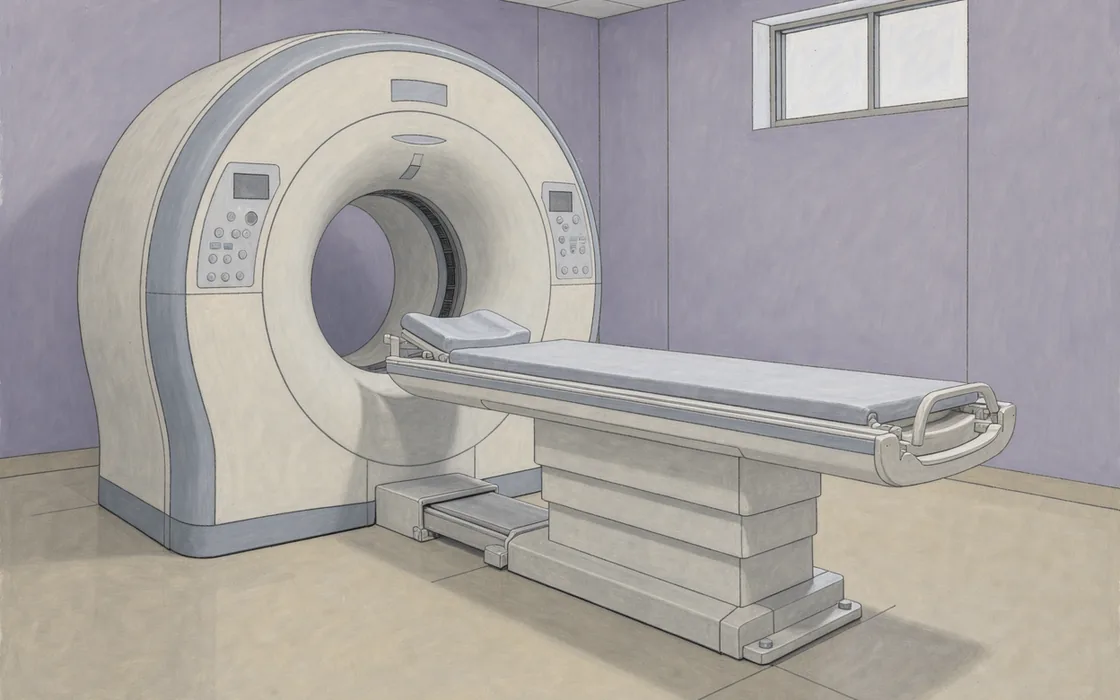
In a study of thirteen adults with congenital untreated isolated GH deficiency and fourteen matched controls, the deficiency arose from a GHRH-receptor gene mutation. MRI brain morphometry—the measurement of brain structure—showed mostly similar absolute cortical thickness and regional volumes. Some normalized volumes were larger.
MRI-predicted brain age relative to chronological age was also similar. The report therefore found no apparent acceleration of brain aging with lifelong GHRH-receptor loss in this group.
Against a story of inevitable brain deterioration when this signaling is reduced, the result seems a substantial objection to me. Its relevance to ordinary aging seems more limited, because congenital deficiency brings a very different starting condition.
Structural findings and cognitive performance
The MRI study described preserved structure and an unaltered estimated brain-aging trajectory. The tesamorelin trial reported a favorable cognitive effect. One compared untreated groups; the other tested an intervention. These findings can coexist without one erasing the other.
The phrase “brain age” sounds too comprehensive to my ear. In this paper it refers to an MRI-based estimate. My interest in thinking extends to performance and the daily use of it, so I would rather hear the structural and cognitive accounts separately before trying to join them.
Congenital deficiency and ordinary aging
There were thirteen adults in the deficient group. Their observational comparison with matched controls provides no experiment in deliberately reducing GHRH signaling later in life. It also supplies no comparison of peptide treatments.
The useful challenge is narrower: a simple necessity claim has encountered people whose brain structures look largely preserved despite lifelong receptor loss. I think that warrants a more careful explanation of how growth signaling relates to an aging brain. Turning it into a proposal to block the axis in everyone would outrun the finding just as quickly as ignoring it would.
The opposing animal experiments add another complication. This unresolved disagreement strikes me as productive while those distinct observations receive serious consideration.